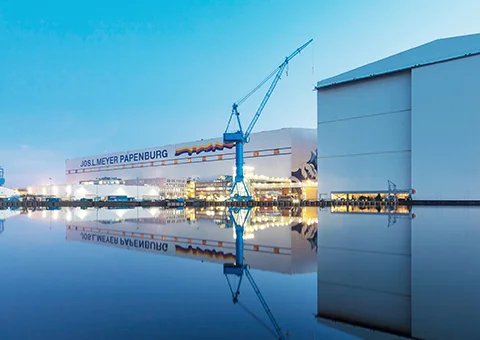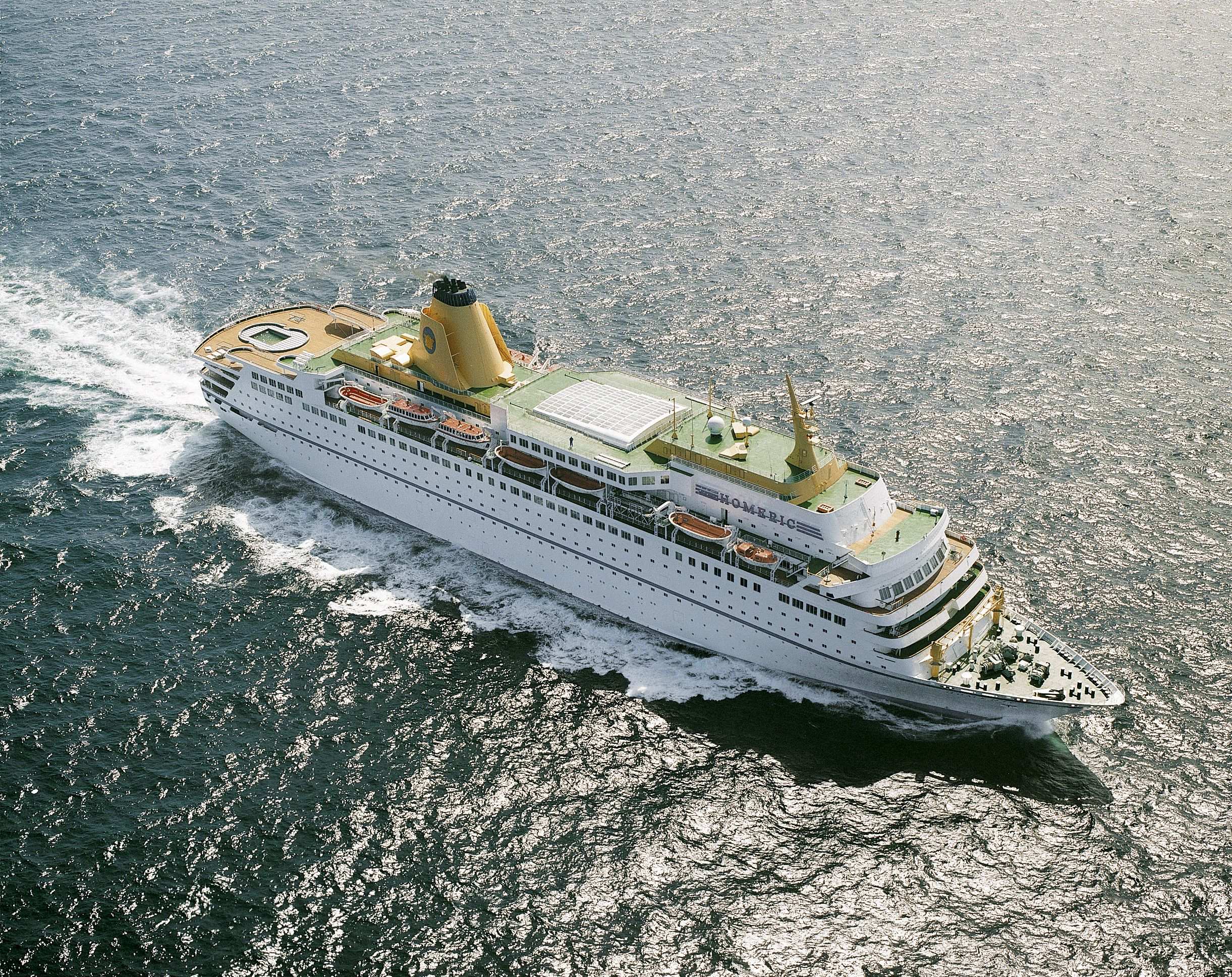
It marked the beginning of an era. Forty years ago, on May 6, 1986, MEYER WERFT delivered the Homeric to the shipping company Home Lines. It was the first cruise ship built by the Papenburg shipyard. To date, more than 60 cruise ships have followed. Despite major challenges, the *Homeric* not only marked MEYER WERFT’s entry into the cruise ship market; for decades thereafter, ships from Papenburg went on to shape the entire image of the industry.
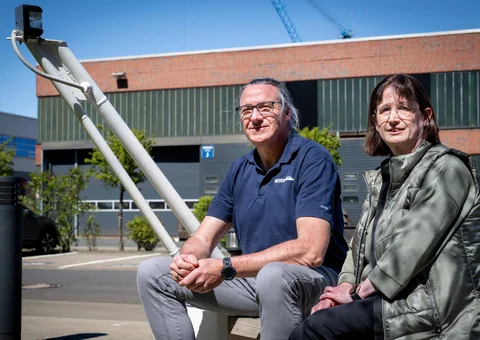
Before the Homeric, the shipyard was primarily known for its ferries and gas tankers. With the cruise ship order, MEYER WERFT was breaking new ground. At the time, around 1,200 employees were tasked with building a ship within two years that was intended to operate between New York and Bermuda. The order was announced in April 1984. “Internally, but also here in Papenburg and the surrounding area, many people talked about a gamble and a risk. Many even predicted that we would be a one‑day wonder. ‘MEYER will get a bloody nose from this,’” recalls Wolfgang Nee. The accounting employee had begun his apprenticeship together with his colleague Petra Koppers in 1985.
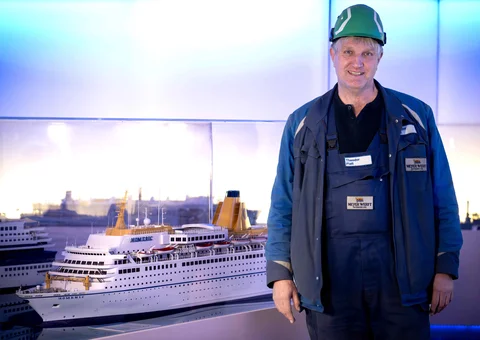
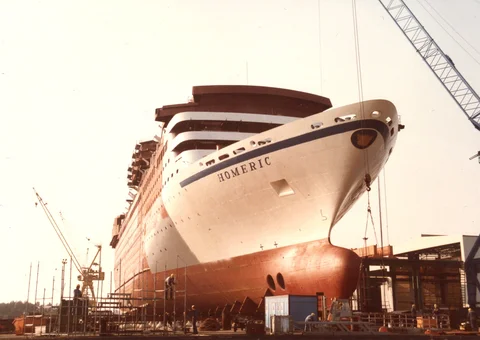
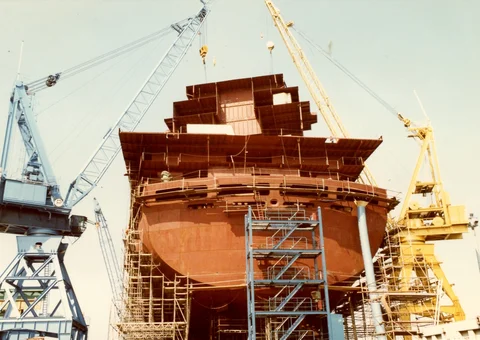
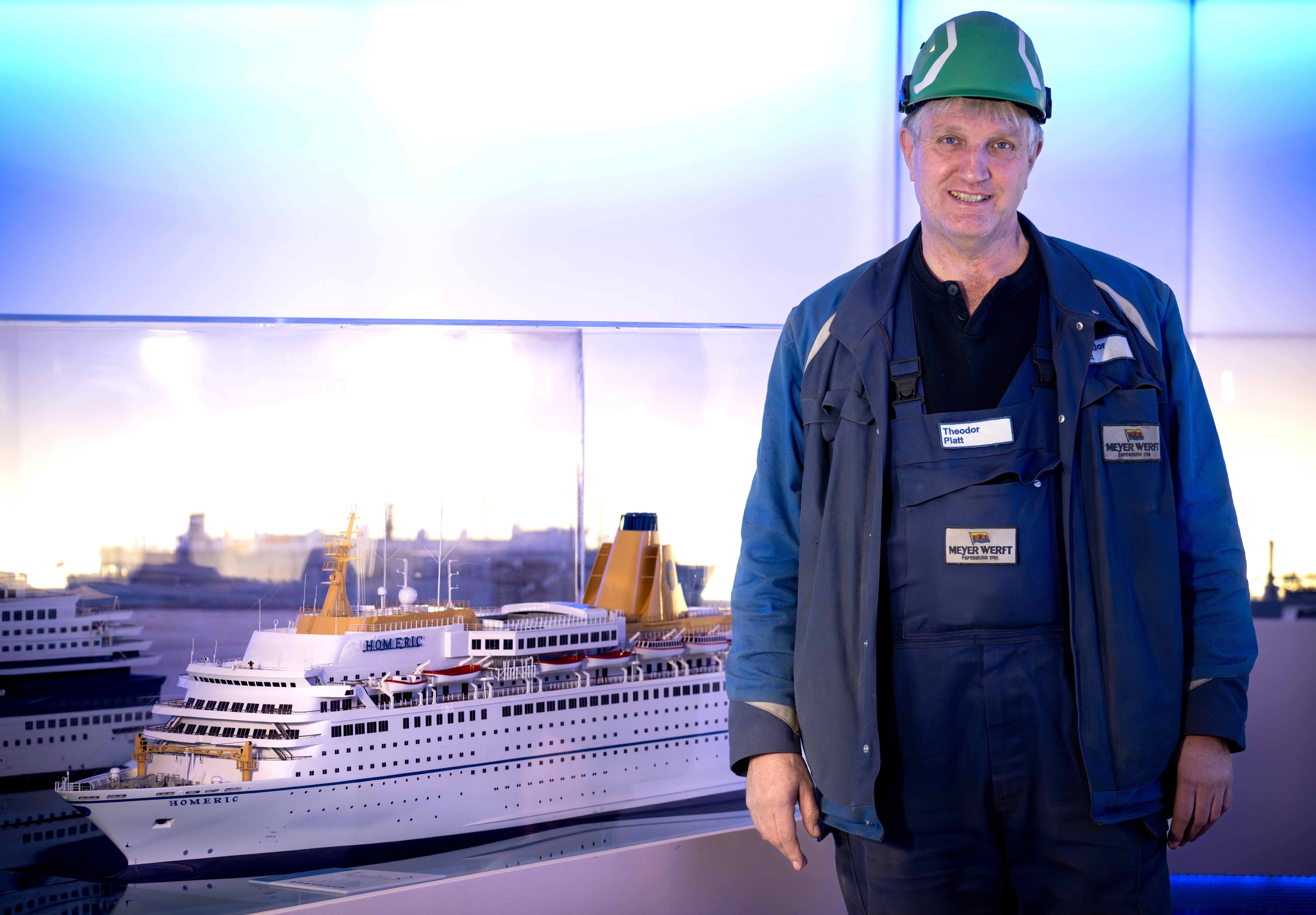
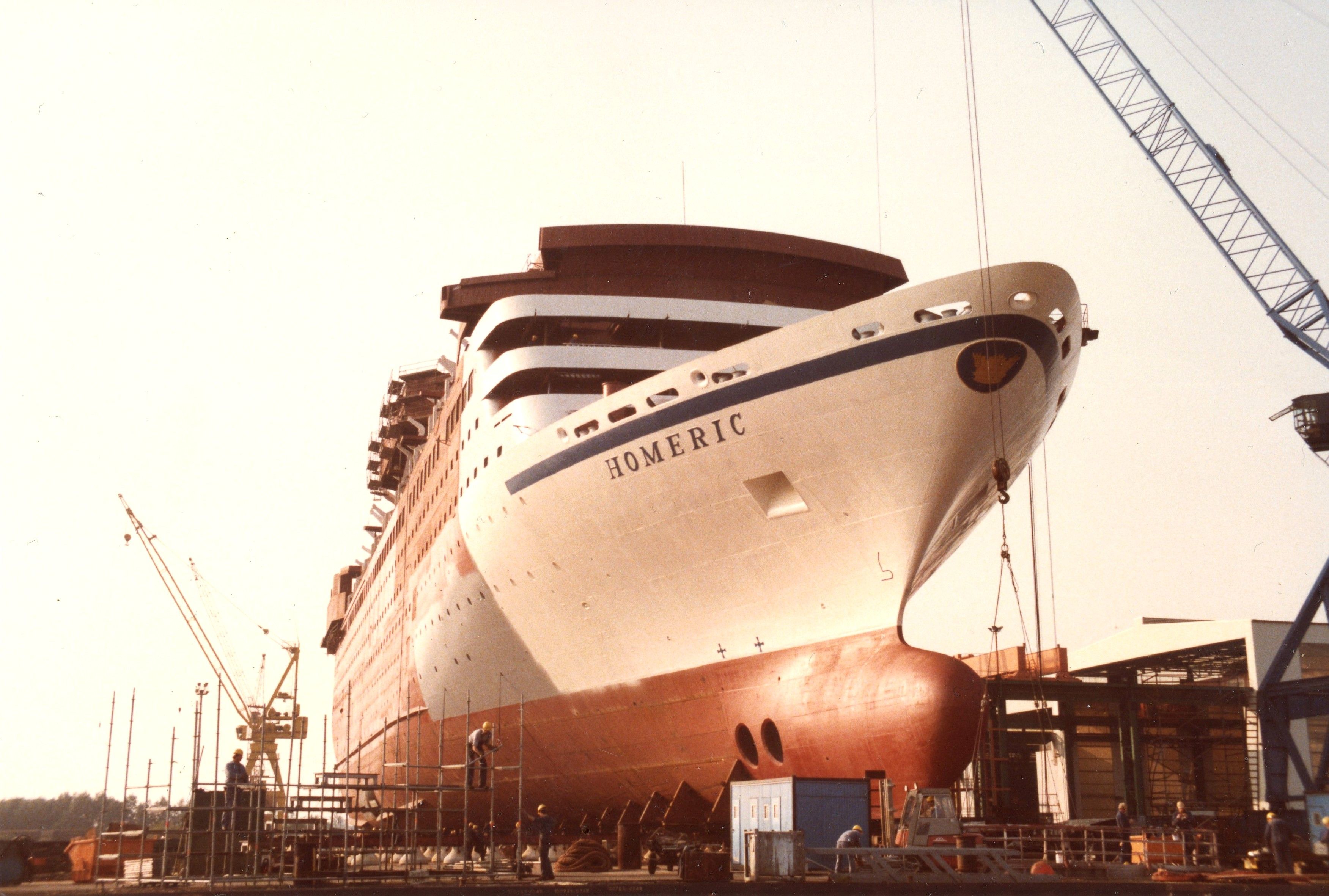
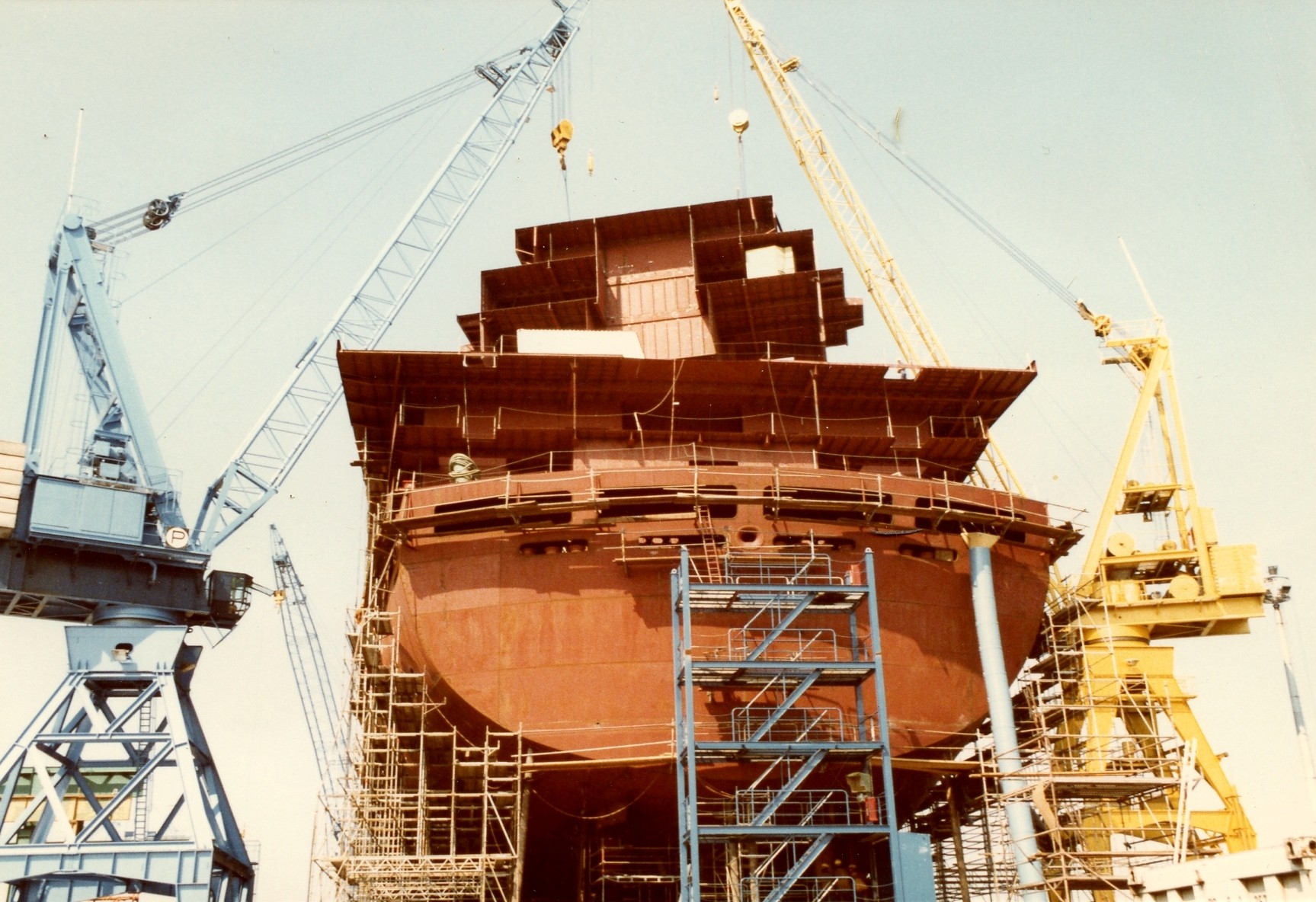
S.610, the internal hull number, was built outdoors at the time. “In winter it was minus 20 degrees; in summer we had over 50 degrees in the double bottom—that was extreme,” recalls welder Theodor Platt. Weather was not the only challenge facing the shipyard workers. “I remember being sent to fetch welding electrodes and I actually got lost on the ship,” says Joachim Gosling, who was working in onboard outfitting at the time. Like several other MEYER WERFT employees, he is still working at the shipyard today.
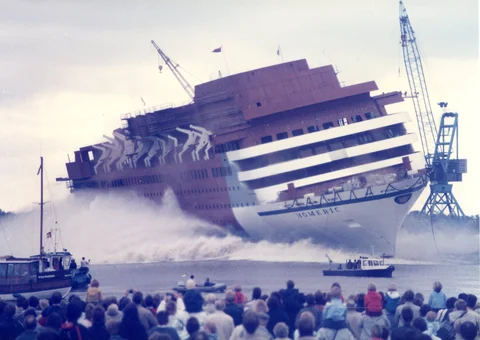
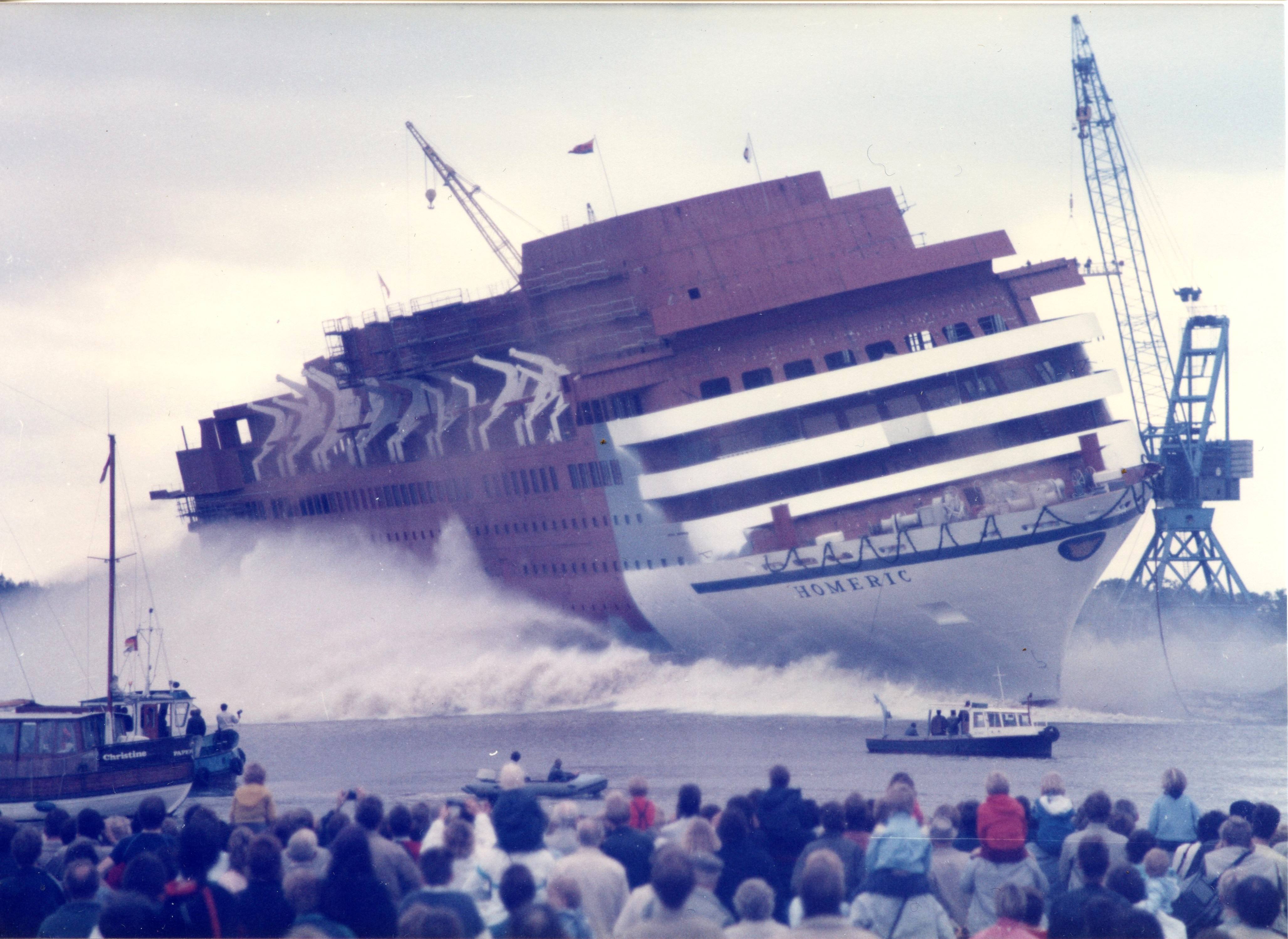
On September 28, 1985, the spectacular launch of the *Homeric* took place. “It was more or less a compulsory event for everyone in Papenburg. People went there. It was a sensation. And especially with such a large ship, many people wondered whether everything would go well,” recalls Petra Koppers. And it did. The ship was launched sideways and slid into the water. “Then a wave came, washed across to the other side onto the land, the water receded, and fish were left lying between the trees and stones. The children collected them. That was quite an event for the kids—catching fish without a fishing rod,” remembers Theodor Platt.
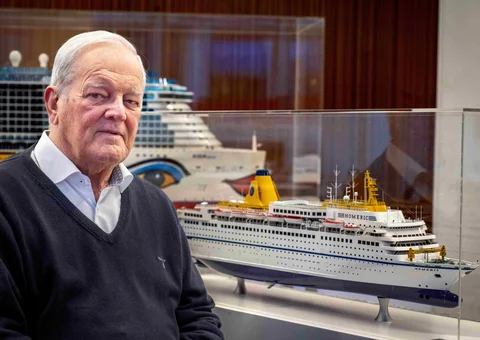
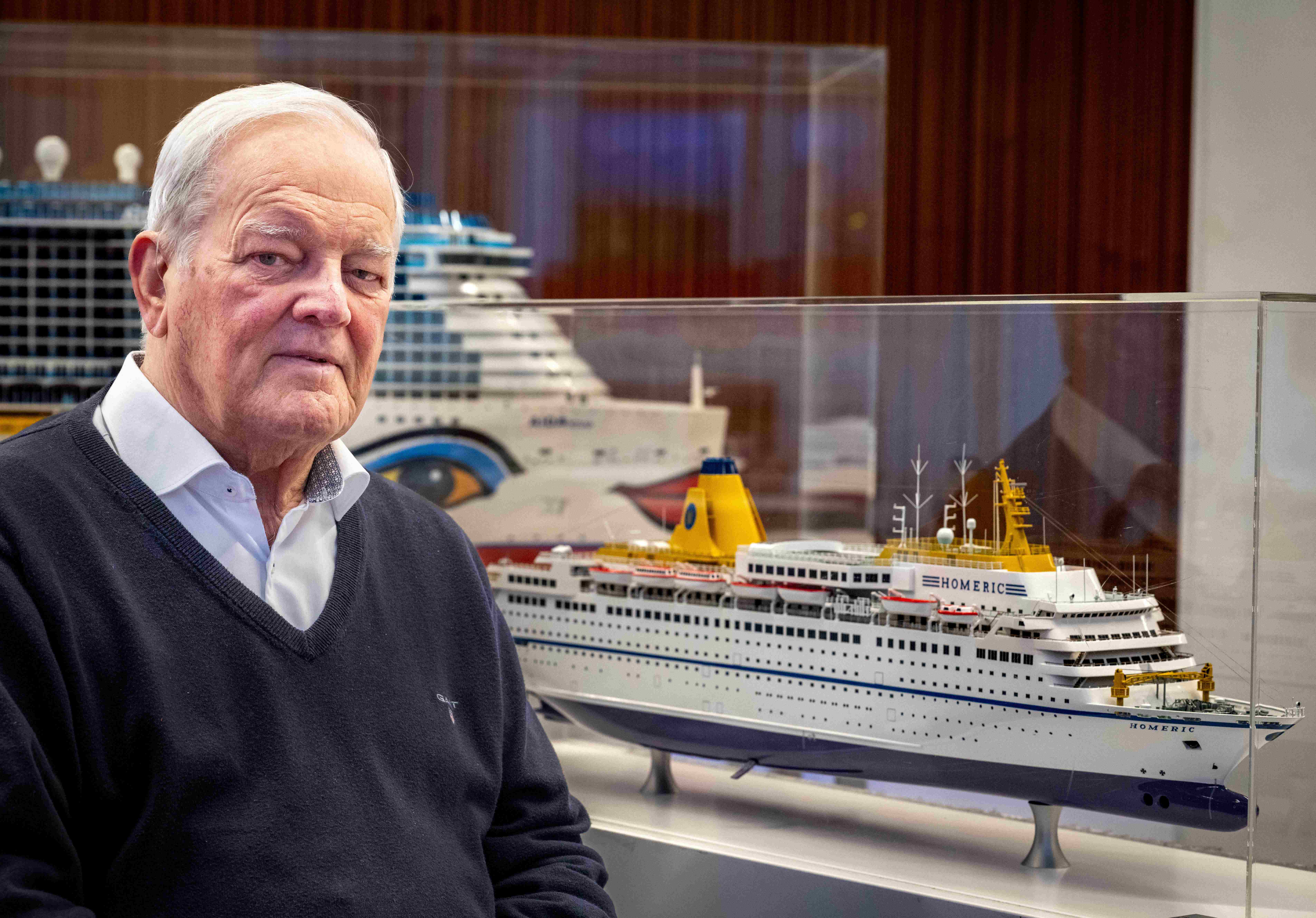
But the story of the *Homeric* offered even more material for the history books. For the sea trials required by the shipping company, the ship sailed up and down the River Ems. Finally, on May 6, 1986, the vessel was delivered to the shipping company on schedule and entered service between New York and Bermuda. Just two years later, she returned via the Ems to MEYER WERFT in Papenburg. The shipping company wanted the ship to be lengthened. Said and done: the *Homeric* was extended by 40 meters. “That was a fantastic task. Of course, we complied with the customer’s wishes. What was particularly important was demonstrating that we could carry out this conversion—cutting the ship, inserting 40 meters in between, and still delivering everything four days ahead of schedule. That was another success story, and a signal to all other customers who could see that we were capable of handling such challenges,” says Jochen Zerrahn, who was Head of Production at MEYER WERFT at the time.
The shipyard regarded the know-how gained, the understanding of its own strengths, and both the positive and negative experiences from the construction as a benefit that led it to the top of the cruise shipbuilding industry. “That is also what our long-standing customers appreciate, and it is repeatedly an important argument for new customers when ordering a cruise ship here at MEYER WERFT in Germany: value‑creating work, quality, and reliability. Of course, we have faced difficulties in recent years, without question, all of which had their reasons. But I believe that we will emerge stronger from this through joined forces and will continue to build cruise ships here over the next 30 or 40 years,” says Wolfgang Nee.
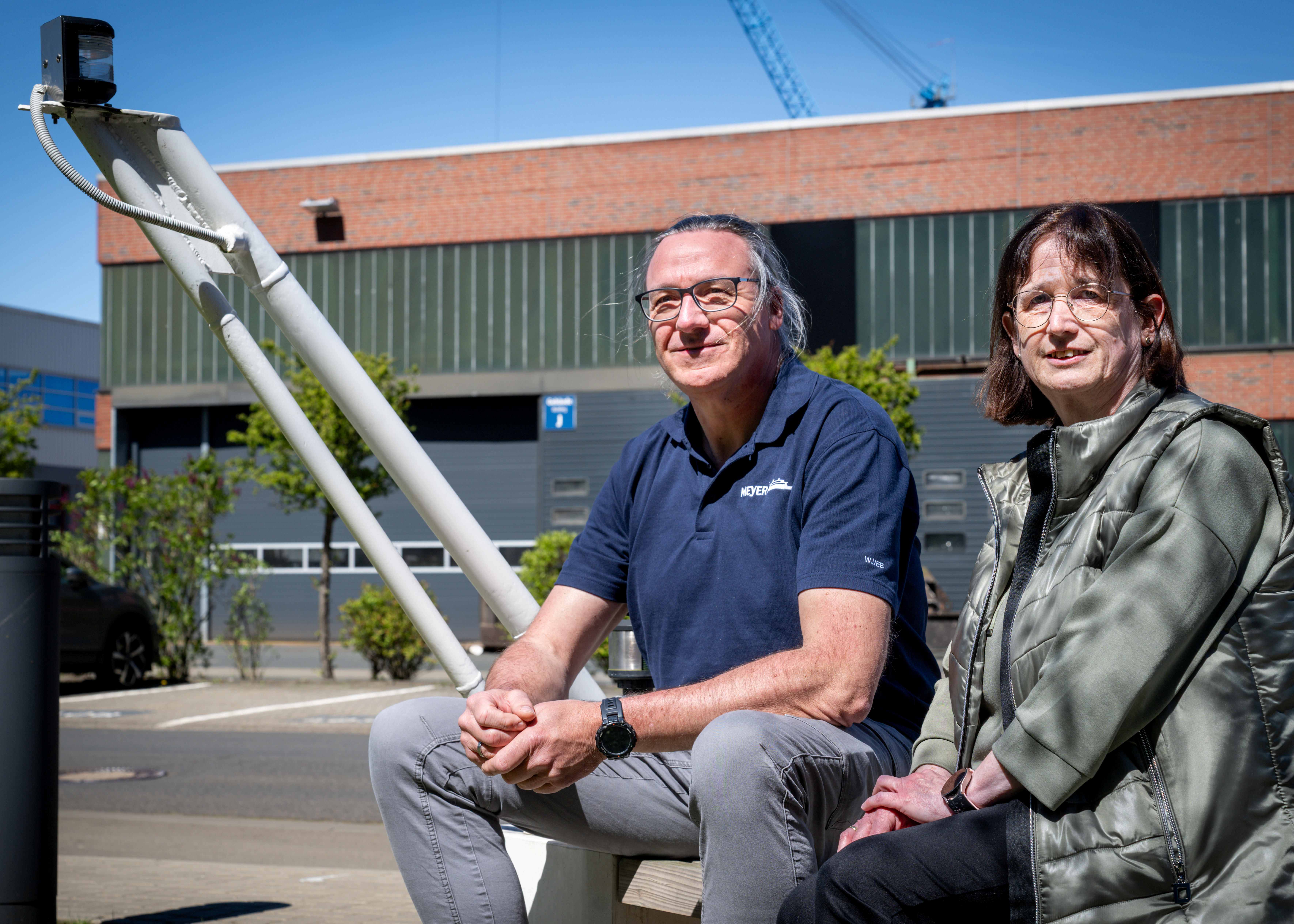
For many long‑serving employees, memories of the ship are still vivid. The *Homeric* sailed the world’s oceans until her decommissioning in 2020, most recently under the name *Marella Dream*. In the summer of 2022, she finally embarked on her last voyage to be scrapped in Turkey. Today, a lamppost in front of the MEYER WERFT administration building commemorates the shipyard’s first cruise ship.
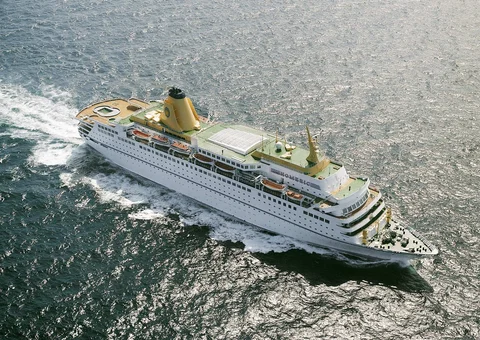
Technical data – Homeric (before lengthening):
Length: 204 meters
Beam: 29 meters
Passenger capacity: 1,132
Gross tonnage: 42,000 GT
Photo captions
Photo: *Homeric* at sea.
Photo: Wolfgang Nee and Petra Koppers next to a lamppost from the *Homeric*.
Photo: Welder Theodor Platt in the MEYER WERFT visitor center next to a model of the *Homeric*.
Photo: Jochen Zerrahn, production manager during the construction of the *Homeric*, next to a model of the *Homeric*.
Photo: Spectacular launch of the *Homeric*.
Photo: Construction of the *Homeric* in the open air.
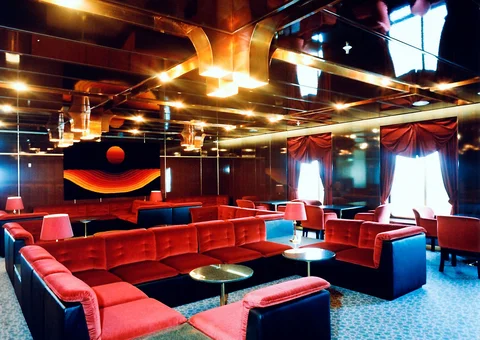
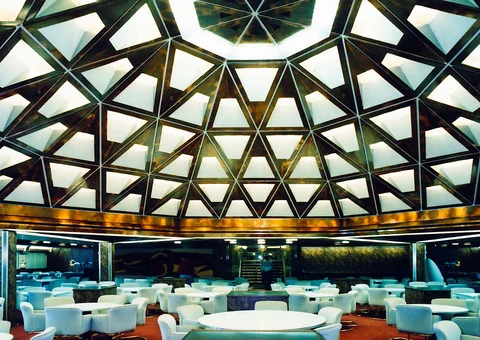
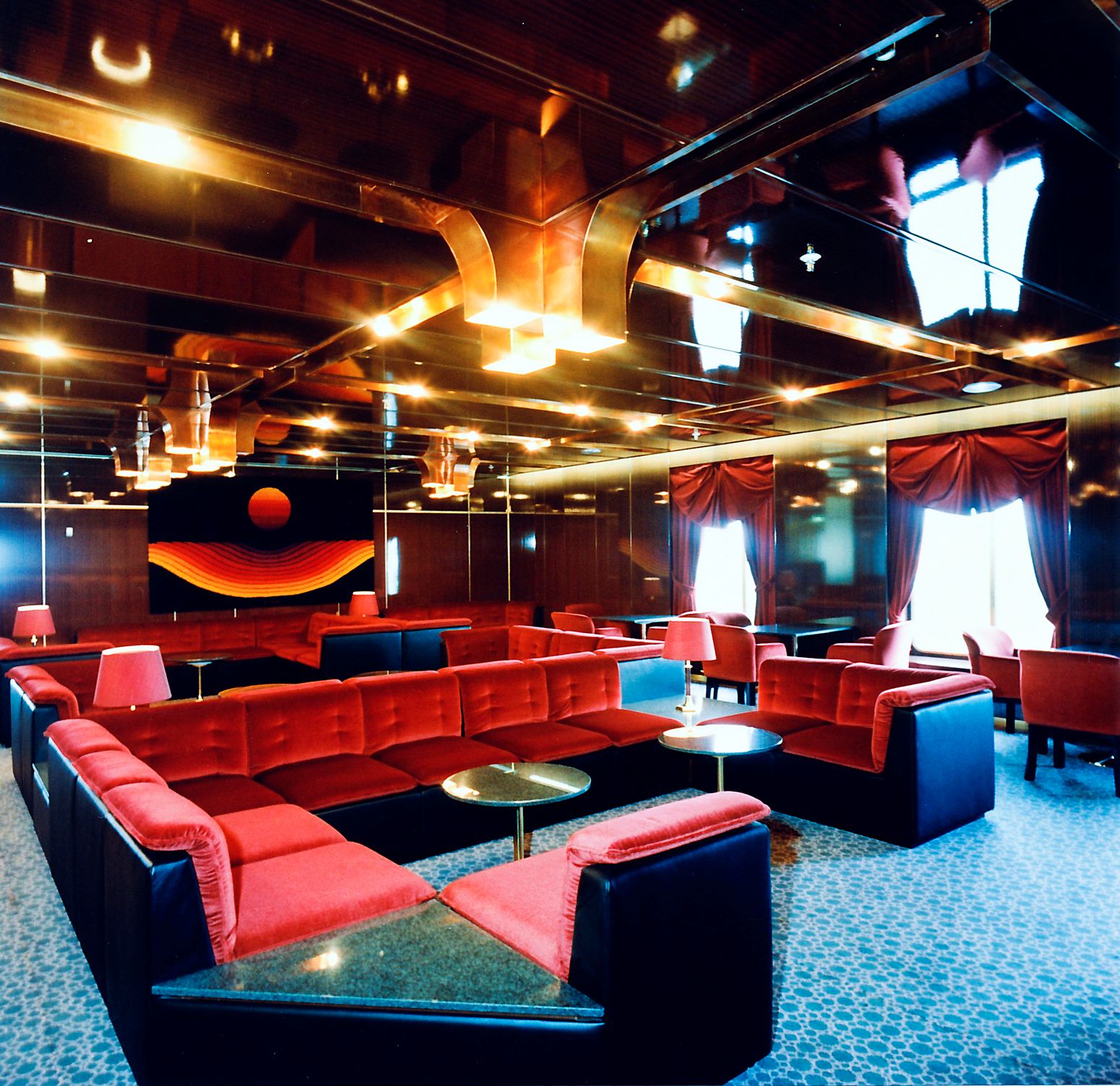
Photo: *Homeric* lounge.
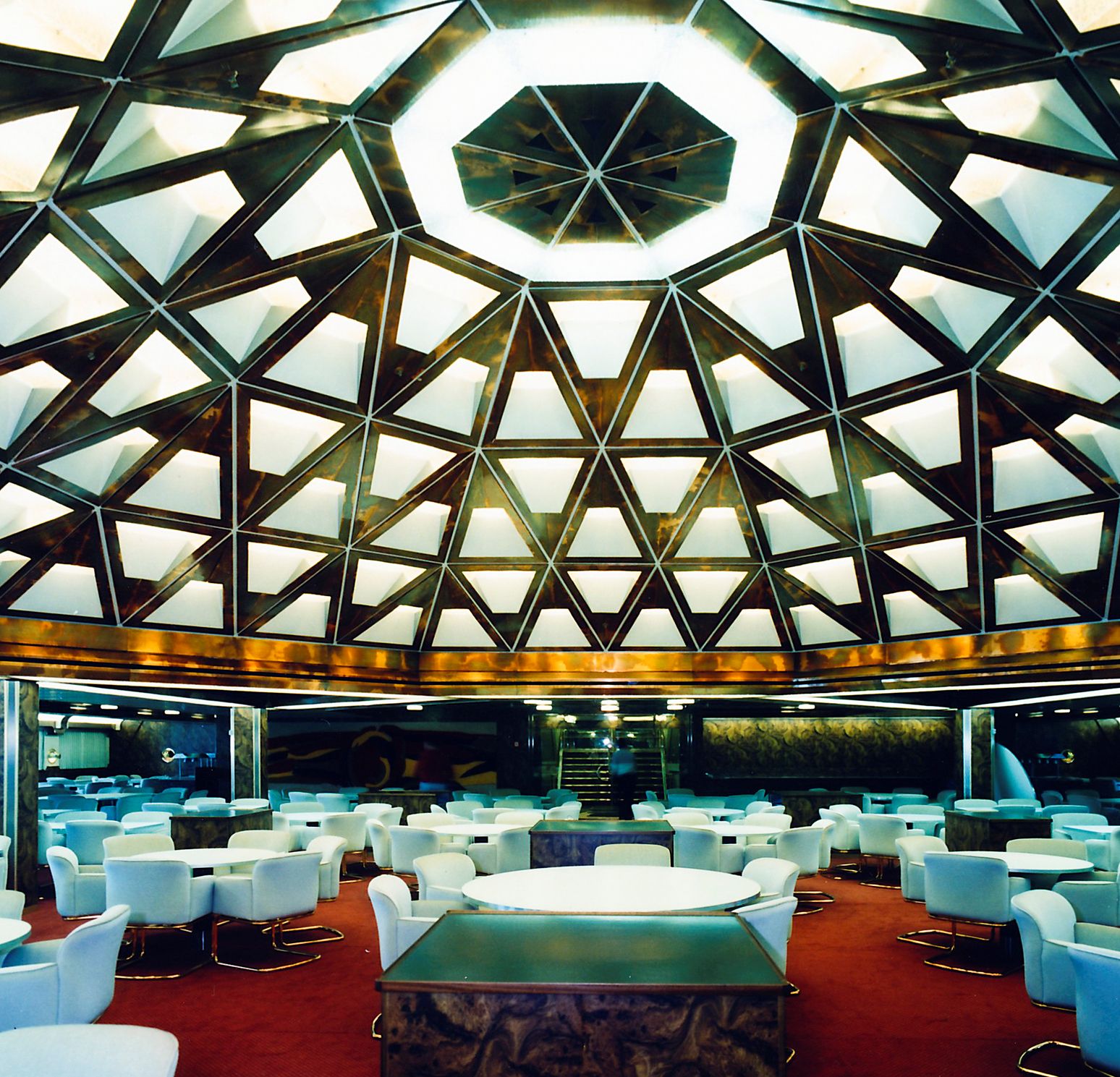
Photo: *Homeric* restaurant.